Linux desktop / Featured project
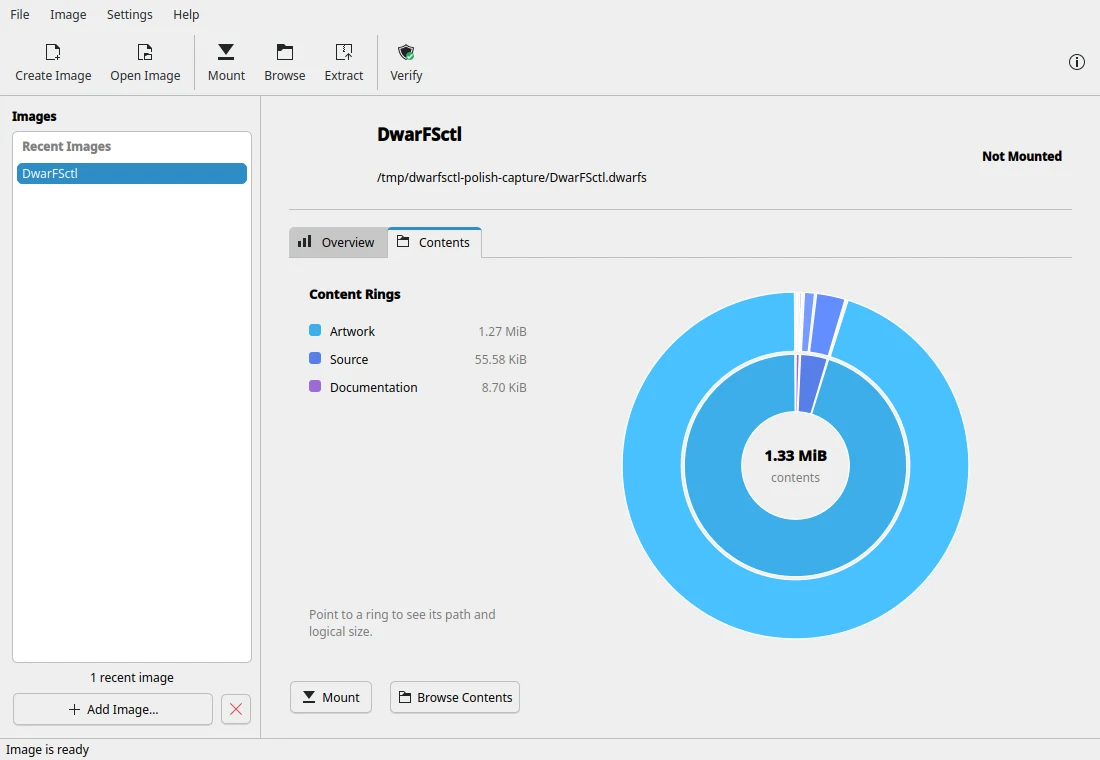
DwarFSctl
Compressed images.
At home on your desktop.
Create, explore, mount, and extract DwarFS images through Dolphin or the standalone DwarFS Utility. The same tools, wherever you need them.
Senior Distributed Systems Engineer
I’m Rich Majewski. I work on high-performance computing (HPC) and AI in heterogeneous hyperscale data centers. I’m interested in how the whole system works, especially where its parts don’t quite agree. I also build software for the things I use, from the Linux desktop to a pocket-sized reader.
At ThisWay Global, I work on Amalgamy.ai, bringing HPC and AI workloads together with the infrastructure they need. My work spans workload planning and allocation, the boundaries between components, and how the resulting system gets deployed and operated.
Years of being responsible for running systems have a way of changing how you design them. I want to know what happens when a dependency disappears, a request cannot be satisfied, or an upgrade stops halfway through.
Make requirements and constraints explicit, so placement decisions can be understood and checked.
Give components clear responsibilities and contracts, without tying the whole system to one implementation.
Consider installation, observability, upgrades and recovery while designing the system, not after shipping it.
Linux desktop / Featured project
Compressed images.
At home on your desktop.
Create, explore, mount, and extract DwarFS images through Dolphin or the standalone DwarFS Utility. The same tools, wherever you need them.
Writing / Featured project
Markdown without
the machinery.
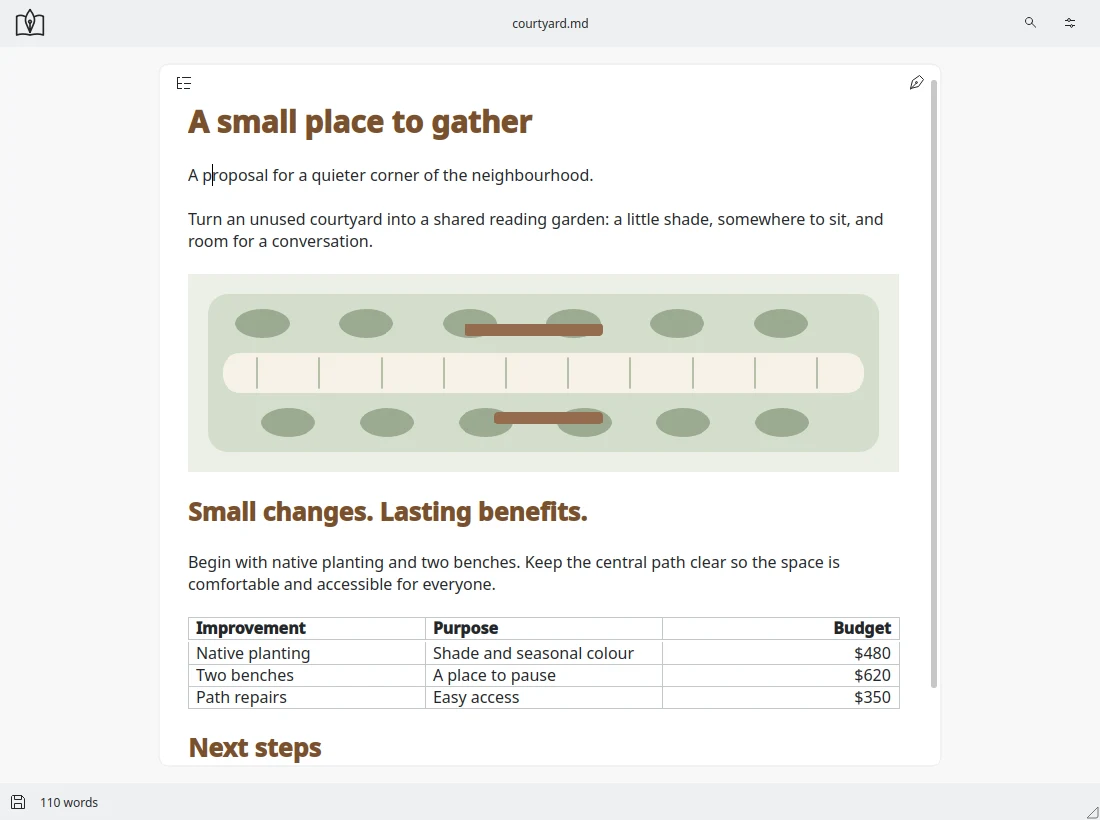
A native KDE editor where you work directly in the formatted document. Tables, images, equations, and diagrams are there when you need them; your files stay ordinary Markdown.
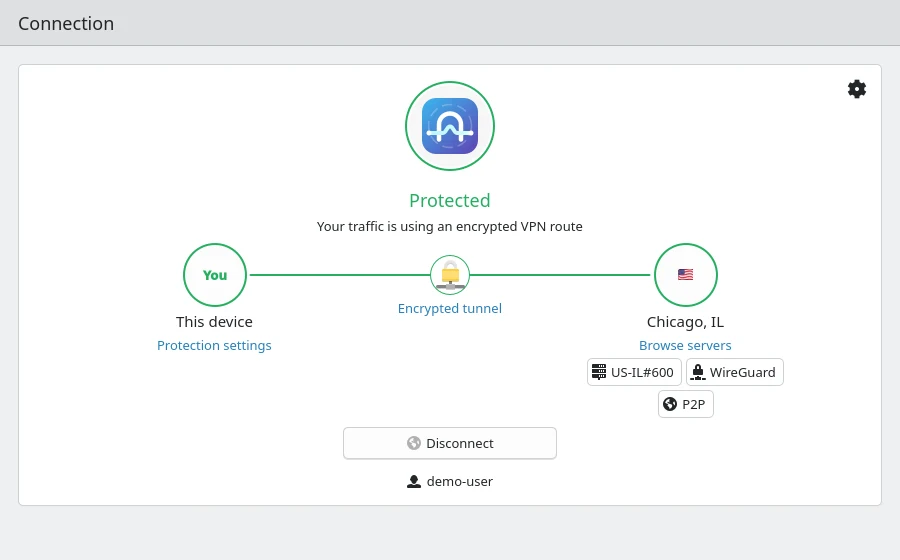
A native KDE home for Proton VPN, with a clear view of your connection and controls that fit the desktop.
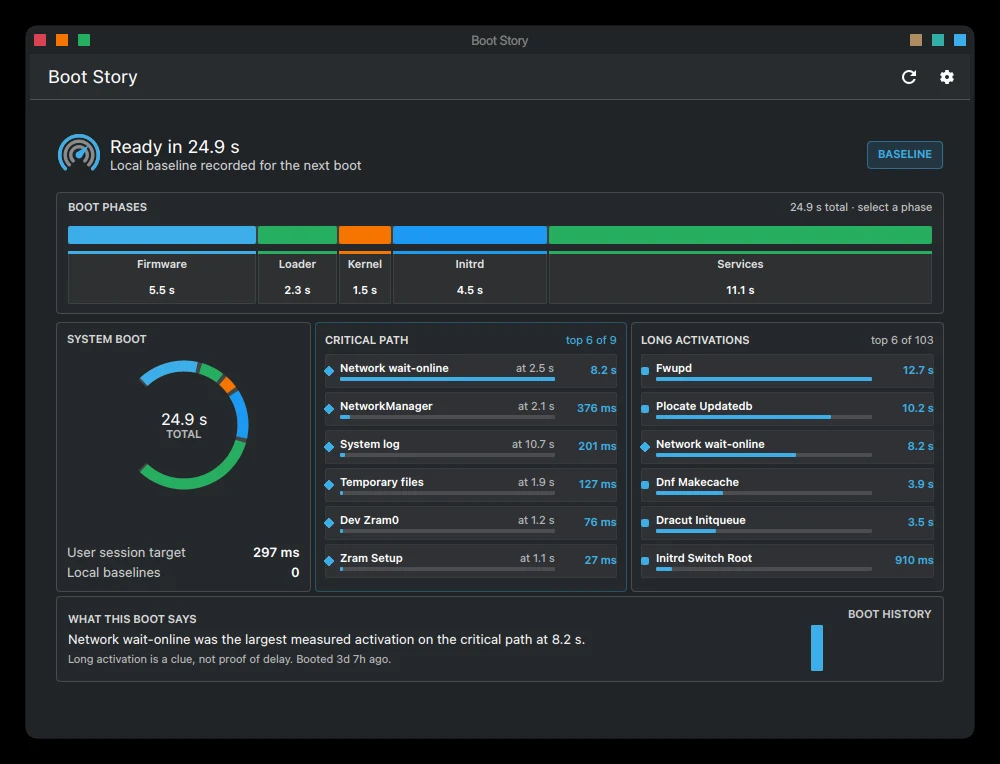
Where did startup time go? A visual explanation of your Linux boot, separating real delays from work happening alongside them.
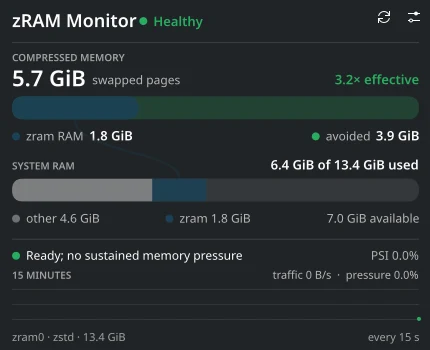
A Plasma widget that explains what memory compression is doing, how much RAM it saves, and when the system is under pressure.
A bit of background
My background spans infrastructure operations, private cloud, platform engineering, and reliability. I’ve operated production environments at multi-thousand-node scale. I’ve spent a lot of that time asking why people are doing work the system ought to be doing for them. That question still follows me from the data center to the desktop.
More about my backgroundWhen software becomes something other people depend on, the work changes.